
Registration of public notification
If you register your e-mail address, we will notify you when the latest issue is published. If you wish, please register from the registration form. To delete your registration, please visit here.

April 2026 No.102
Featured Topic: Initiatives for a Paradigm Shift in the Environmental and Energy Business
Decarbonization initiatives are gaining momentum alongside the rise in extreme weather events in recent years, which are attributable to global warming. In 2020, the Japanese government declared that it aimed to achieve carbon neutrality by 2050 and announced the Green Growth Strategy, an action plan which compiled industrial policies aiming at establishing a virtuous cycle of the economy and environment.
1.4 MB
Due to measures against global warming and the expansion of renewable energy introduction, the demand for energy storage systems to contribute to power system stability with a long lifespan has increased. This paper reports on the latest developments and designs aiming to improve the performance of vanadium redox flow batteries, which are gaining attention as effective energy storage technologies for stabilizing power quality. In particular, this paper focuses on enhancing cell stack output and increasing energy density to achieve energy storage systems that can meet diverse operational requirements. Additionally, this paper discusses the development of technologies to ensure high reliability for long-term operation over a 30-year period and contribute to reducing lifecycle costs. The outcomes of this development are intended to contribute to the efficient storage and long-term stable operation of renewable energy.
2.9 MB
2.9 MB
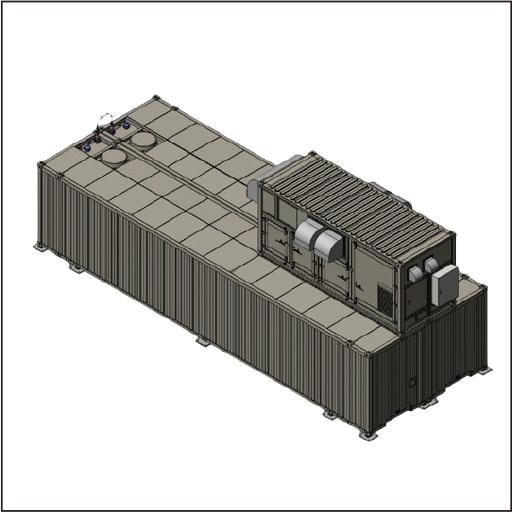
To achieve a carbon-free society, the goal is to halve greenhouse gas emissions by 2030 and aim for carbon neutrality by 2050 worldwide, while in Japan, the targets are to achieve net-zero emissions by 2050 and reduce emissions by 46% by 2030 (compared to FY 2013). The use of renewable energy is essential, while to effectively utilize such variable power sources, utility-scale energy storage devices are indispensable. In particular, there is an increasing demand for Long Duration Energy Storage (LDES) that can absorb differences in electricity supply and demand due to seasonal and diurnal changes. Sumitomo Electric's vanadium redox flow batteries (VRFBs) are stationary energy storage batteries that excel in safety, have very little decline in lifespan due to charge and discharge cycles, and are capable of storing a large amount of energy for a long time. The adoption of VRFBs is progressing in Japan and around the world, making significant contributions to the efficient utilization of renewable energy, the construction of local energy systems, and the enhancement of power resilience. In this paper, specific examples are introduced to show how VRFBs contribute to a cleaner and more stable energy future.
2.8 MB
2.8 MB
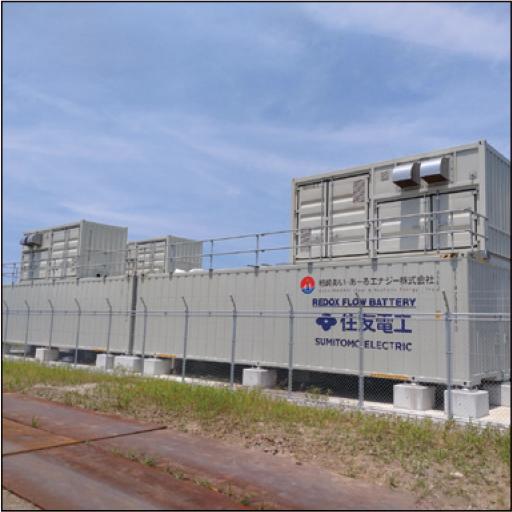
The Sumitomo Electric group aims to reduce greenhouse gas emissions by 30% compared to fiscal 2018 levels by fiscal 2030 and to achieve carbon neutrality by fiscal 2050. At the Matsusaka Factory of SWS West Japan, Ltd., we leveraged our product, the “Vanadium Redox Flow Battery,” and the energy management system “sEMSA” to commence operations of the first Net Zero Factory in our group in August 2025. This article reports on the initiatives taken at the Matsusaka Factory of SWS West Japan, Ltd. towards achieving Net Zero status. Finally, we introduce our group's efforts to promote Net Zero status in all our factories.
2.3 MB
2.3 MB
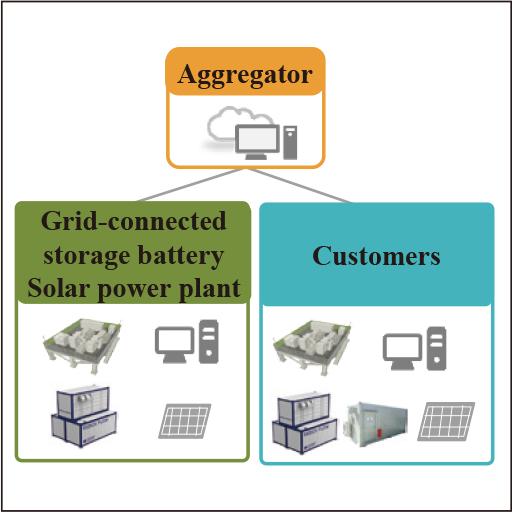
The importance of investment in and utilization of renewable energy sources such as solar power is increasing as a result of increases in electricity consumption due to the new construction and expansion of data centers, the fossil fuel procurement risk arising from geopolitical factors, and efforts to achieve carbon neutrality by 2050. However, the output of renewable energy sources fluctuates depending on weather conditions and their large-scale integration leads to instability in the power system. One solution for maintaining stable and reliable operations is to ensure flexibility through the use of batteries. Nissin Electric Co., Ltd. provides a solution that integrates the entire system from storage batteries to substations. This paper introduces a battery utilization solution that combines Nissin Electric Co., Ltd.’s solution with Sumitomo Electric Industries, Ltd.’s energy management system, sEMSA (Sumitomo Energy Management System Architecture) in order to meet various needs regarding battery utilization.
1.8 MB
1.8 MB
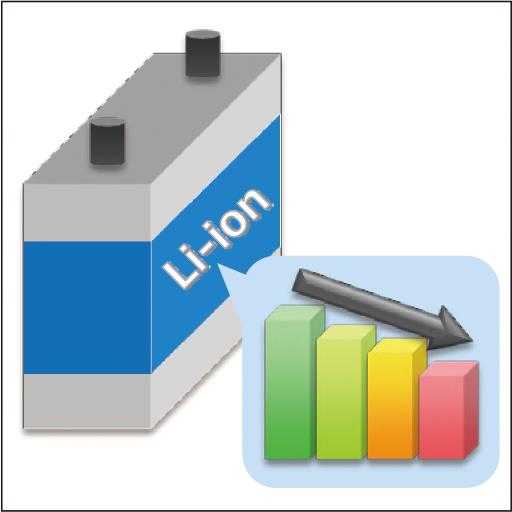
Stationary storage batteries using lithium-ion batteries are expanding for the effective utilization of renewable energy and for power supply during disasters. Understanding the health and characteristics of these batteries, especially in relation to degradation from charging, discharging, and aging, is extremely important for stable operation of the system. To diagnose the storage battery on-site and in real-time, a battery deterioration diagnosis technology based on the battery's transient response characteristics is being researched and developed. This paper introduces the features of battery degradation diagnosis using transient response analysis and the results of verification related to its application in stationary storage batteries.
1.3 MB
1.3 MB
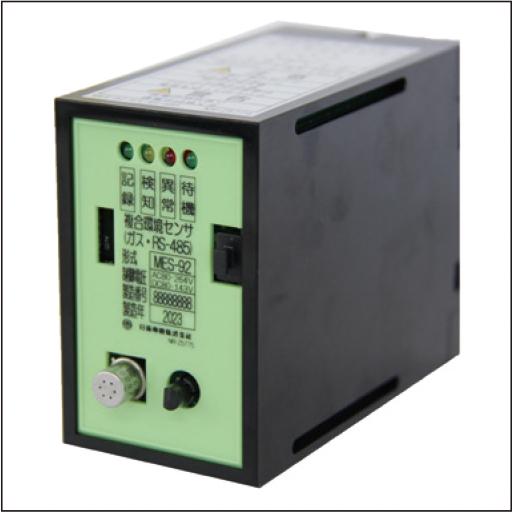
The use of renewable energy is expanding to achieve carbon neutrality, and there is a growing demand for stationary battery energy storage systems (BESS), which are essential technologies contributing to the stable supply of energy when combined with generation facilities. Most storage batteries used in BESS are lithium-ion batteries (LiBs). Recently, there has been an increase in fires caused by LiB abnormalities, not only in countries where LiBs were introduced earlier but also in Japan. As a result, safety standards have been established both overseas and domestically. In Japan, the corresponding standard is JIS C4441:2021. To comply with the standard, it is necessary to have a system that detects gas and fire generated when an abnormality occurs in the BESS (such as during LiB thermal runaway) and issues an alarm externally, which is one of the requirements. Nissin Electric Co., Ltd. has developed a sensor for detecting gas generated when an abnormality occurs in LiBs, as a component of BESS. In this report, we introduce the features of this device and examples of its use in the field.
2.6 MB
2.6 MB
Wind power generation is being increasingly adopted as a renewable energy source. Especially in large-scale wind farm (WF) systems, turbine sites are often located far from substations. When long AC cables are installed, the risk of abnormal phenomena occurrence increases due to the cable capacitance. This paper introduces the interactions between iron-core equipment, such as transformers, used in the WF system, and cable capacitance. Furthermore, this paper shows the contribution of simulations in advance by power grid analysis technologies to realize stable operation of the WF system. The paper also presents the results of experiments validating abnormal phenomena, using a small transformer.
2 MB

2 MB
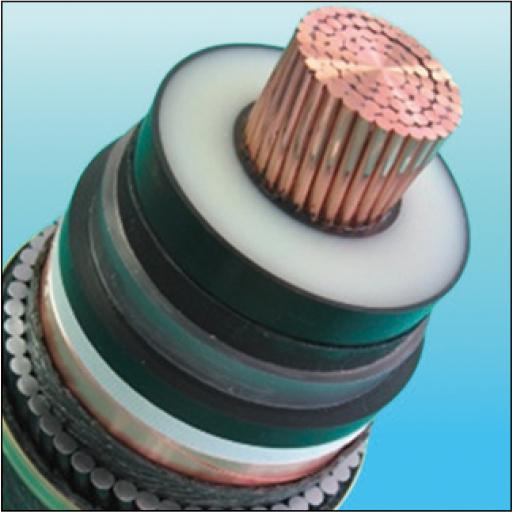
In response to growing environmental concern, the demand for direct current (DC) cables has increased, particularly in Europe, due to the rise of renewable energy sources. Our company has focused on developing eco-friendly non-crosslinked materials for DC applications by skipping the crosslinking process, achieving energy efficiency and reducing lead time by removing the drying process. Our research shows that we have successfully developed the non-crosslinked material for DC applications. The mechanical and electrical properties are equivalent to those of filled type DC-XLPE, and the material has sufficient DC lifespan. We produced model cables, confirming stable fundamental characteristics. The absence of crosslinking byproducts ensures stable volume resistivity, enhancing quality compared to filled type DC-XLPE. We aim to continue prototyping and evaluating cables for high reliability similar to filled type DC-XLPE.
1.3 MB
1.3 MB
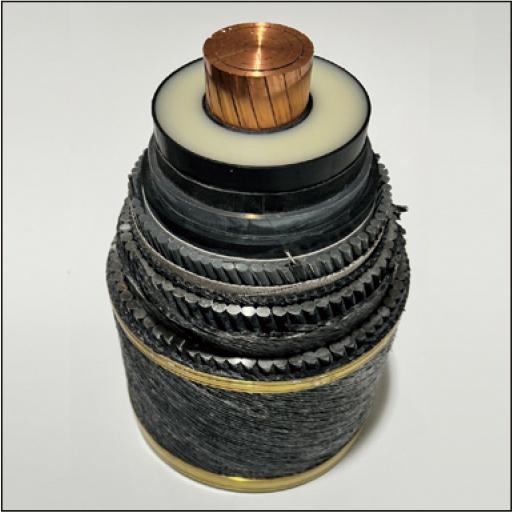
The High Voltage Direct Current (HVDC) cables developed by our company are highly regarded for their excellent direct current (DC) characteristics. These include a permissible conductor temperature of 90°C under normal conditions and the ability to operate under polarity reversal. These characteristics are achieved by adding inorganic fillers to cross-linked polyethylene (XLPE). Our cables are widely adopted in domestic and international projects. Through collaborative research with the university, we are working to understand how adding inorganic fillers improves DC characteristics. As part of these efforts, we report the development of a novel technique for evaluating charge trap depth, which is believed to significantly influence DC characteristics, using approaches such as X-ray photoelectron spectroscopy (XPS) and X-ray absorption spectroscopy (XAS).
1.3 MB
1.3 MB
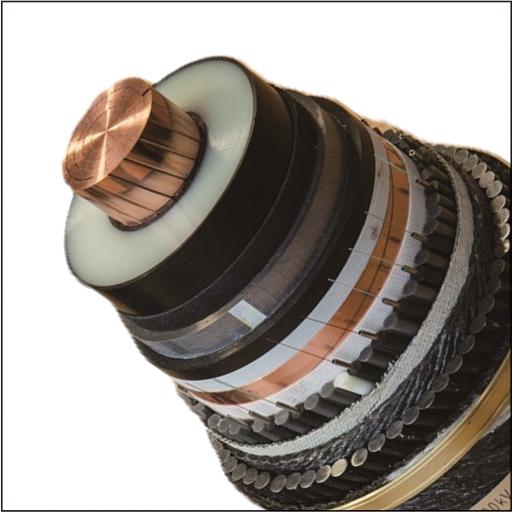
Our Direct Current Cross-Linked Polyethylene (DC XLPE) insulation material is the only compound in the world qualified for use with Line-Commutated Converter (LCC) systems with polarity reversal capability, allowing for a maximum conductor temperature of 90°C, and has already been supplied for multiple commercial projects. However, to further improve the quality and performance of our cables, we developed new DC XLPE cables that incorporate an insulation formulation containing new inorganic fillers. This cable not only passed type tests, including polarity reversal, recommended by Conseil International des Grands Réseaux Électriques (CIGRE), one of the largest international conferences in the power industry, but also additional tests under severe electrical conditions. Moreover, space charge measurements of the cable insulation were conducted using Piezoelectric Effect Acoustic (PEA) methods before and after these long-term tests, revealing that the amount of space charge was low and remained nearly unchanged between the values before and after the tests. These results demonstrate that the new DC XLPE cables have favorable long-term DC characteristics.
1.7 MB
1.7 MB
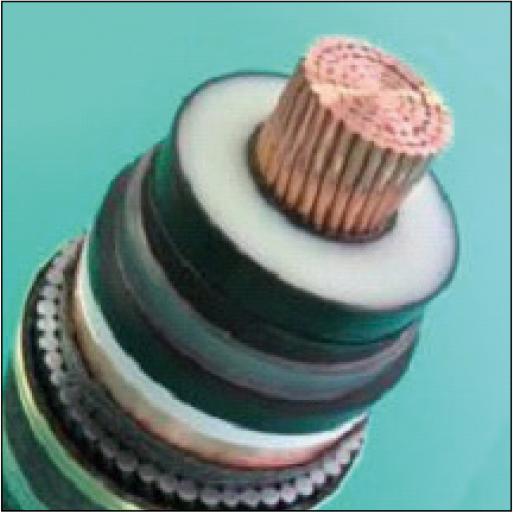
As global carbon neutrality and large-scale renewable energy development progress, the establishment of long-distance transmission networks to transmit electricity to remote demand areas is rapidly advancing. In Japan, plans for a long-term and large-scale High Voltage Direct Current (HVDC) submarine transmission network from northern Japan to the Tokyo metropolitan area have been outlined. Anticipating this trend, the New Energy and Industrial Technology Development Organization (NEDO) has been continuously engaged in the development of HVDC submarine technology since the fiscal year 2015, and our company has also participated in this effort. Now that the plans for direct current submarine transmission have become more concrete, this paper reviews the development history and considers the prospects for applications in future practical projects and further developments.
5.3 MB
5.3 MB
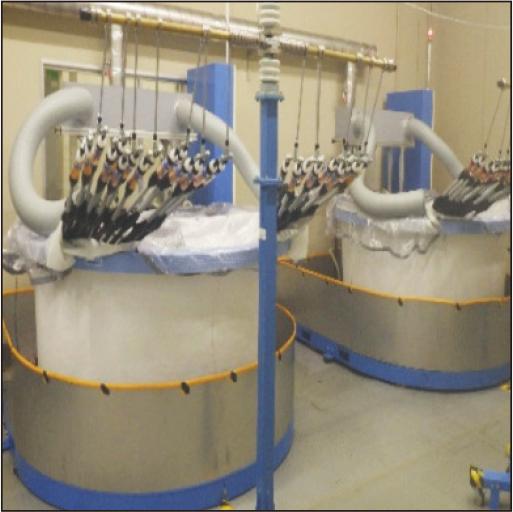
In recent years, efforts to reduce greenhouse gas emissions have intensified globally, leading to the increased adoption of offshore wind power generation. To address the manufacturability, cost, and workability challenges of submarine cables that transmit electricity from wind turbines, our company has been developing submarine cables without water barriers. When moisture infiltrates cable insulation, water tree deterioration occurs. Therefore, the use of water tree-retardant (TR) insulation is essential in the absence of a water barrier; however, there was no appropriate evaluation method for this. We previously proposed a water aging test focusing on the supersaturated moisture generated in the insulation due to heat cycles. This time, we compared the results of this test with those of various other tests and confirmed that water tree degradation occurs within a practical timeframe and that a long-term TR performance evaluation, equivalent to 30 years, is feasible. Additionally, we applied this test to evaluate the 30-year TR performance in TR insulation development, discovering materials with high TR performance and low dielectric loss suitable for future high-voltage applications. We continue to advance cable development that will contribute to the expansion of offshore wind energy.
1.5 MB
1.5 MB
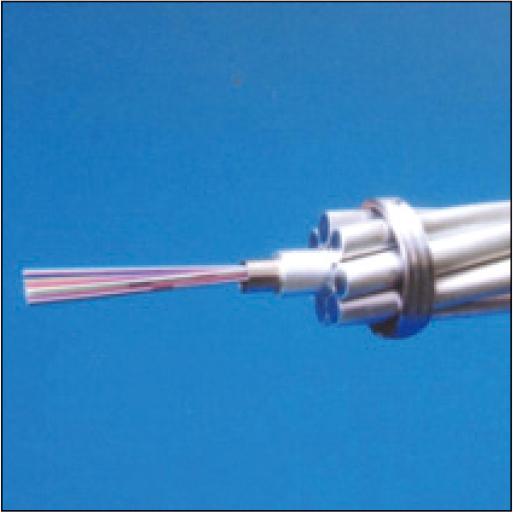
In recent years, corrosion-related communication failures in Optical Fiber Composite Overhead Ground Wire (OPGW) have become a significant issue. To address this problem, we have been working on applying an optical unit of aluminum-covered stainless steel tube-type (SUS/AL unit) instead of the optical unit of the conventional aluminum tube-type, aiming to reduce communication disruptions and minimize maintenance costs. We collaborated with eight domestic transmission system operators (TSOs) to produce OPGWs utilizing the SUS/AL unit and evaluated their performance. The results demonstrated excellent corrosion resistance and positive outcomes in other performance aspects as well. These OPGWs have been supplied to several TSOs for extra-high voltage overhead transmission lines.
4 MB
4 MB
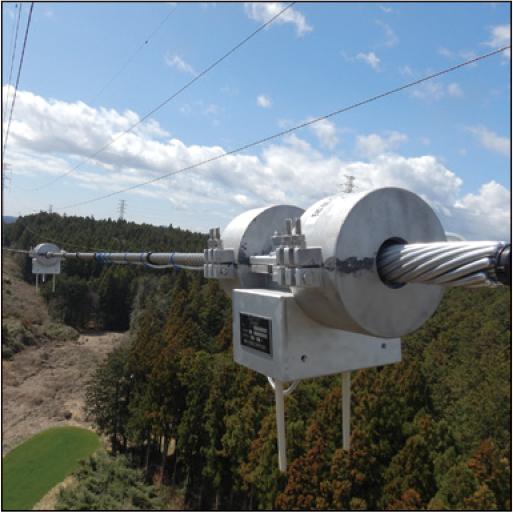
To achieve carbon neutrality, efforts are being made to establish renewable energy as the primary power source. However, a significant challenge is the inability to connect renewable energy sources due to insufficient transmission capacity in overhead transmission lines. To address this issue, the N-1 contingency for electricity transmission has been implemented since 2022, utilizing existing infrastructure to its maximum potential. The N-1 control system allows electricity that becomes unavailable due to transmission line accidents to flow to other operational lines, which can lead to those lines becoming overloaded. To mitigate this, the output of some power sources is reduced. In this context, we have developed and put into practical use a sensor-based Over Load Relay (OLR) system that utilizes our transmission line sensors, enabling near-real-time current measurements.
2.3 MB
2.3 MB
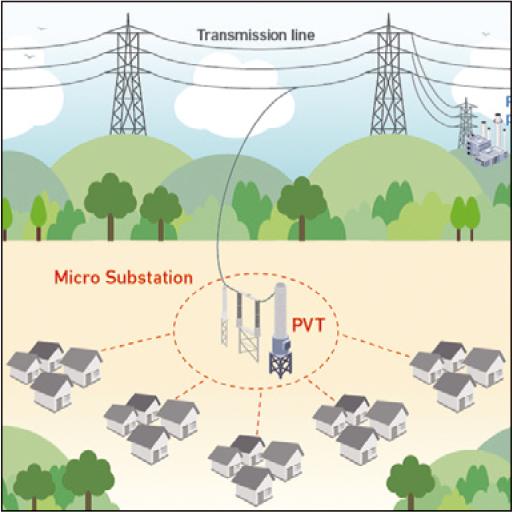
In developing countries, many areas still exist where the distribution network is weak, making stable power supply a challenge. Therefore, focusing on the fact that transmission lines exist even in many such regions, we have developed a micro substation capable of directly supplying low-voltage power using a large-capacity power voltage transformer (PVT). In June 2025, we began demonstration tests of the micro substation that we introduced in India. This project was conducted as an international demonstration project (JPNP 93050) under the auspices of the New Energy and Industrial Technology Development Organization (NEDO).
1.6 MB
1.6 MB
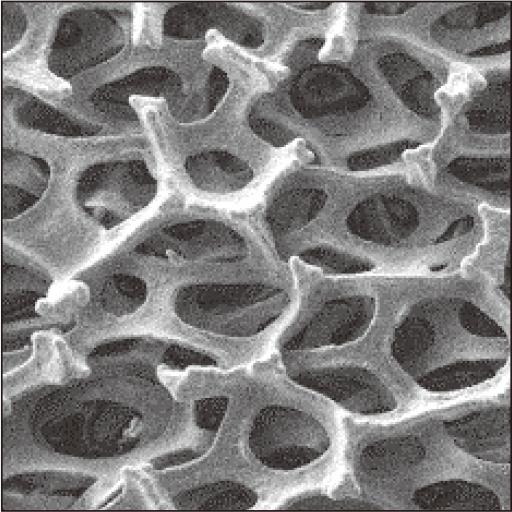
Anion exchange membrane (AEM) water electrolysis offers the low-cost and high-efficiency hydrogen production compared to conventional methods and has attracted significant attention. The authors developed a layered nickel (Ni) Celmet, which is a product of Sumitomo Electric Toyama Co., Ltd., for the application of porous transfer layers (PTLs) in AEM water electrolyzers. This paper evaluates its physical properties and electrolysis performance, and demonstrates its applicability to water electrolysis cells without flow channels in bipolar plates.
1.6 MB
1.6 MB
At water treatment facilities, there is increasing demand for the reduction of CO2 emissions in line with the government's policy toward carbon neutrality. Nissin Electric Co., Ltd. provides energy solutions for carbon neutrality at wastewater treatment facilities, such as energy-saving measures and the introduction of renewable energy, as well as energy management systems for the effective use of these solutions. This paper introduces recent energy solutions for wastewater treatment facilities.
4.9 MB

4.9 MB
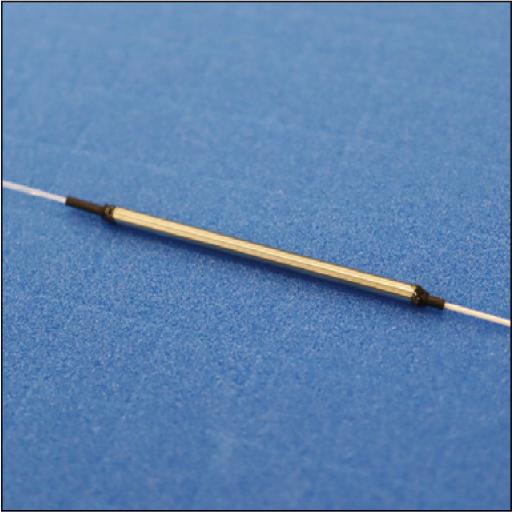
Multi-core fibers (MCFs) have been developed to address the recent surge in communication traffic. Fan-in/Fan-out devices (FIFOs) that connect MCFs to single-core fibers (SCFs) have also been developed at the same time. While various types of FIFOs have been reported so far, types suitable for systems requiring low loss and high reliability are limited. One option is the spatial optical coupling type FIFO. However, achieving compact FIFOs was challenging due to the complexity of the optical system. We have realized a compact FIFO with a diameter of 3 mm through a new design that utilizes thermally expanded core (TEC) fibers.
2 MB
2 MB
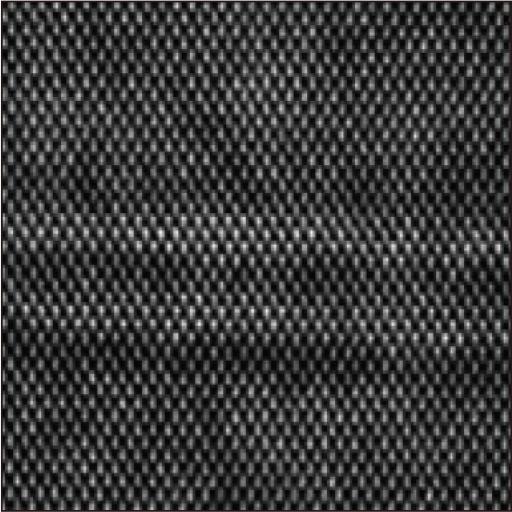
A SWIR sensor which operates in the wavelength region from 1 to 2.5 µm is expected to be applied in a variety of fields such as agriculture, medical diagnostics, industrial inspection, space observation, etc. We have developed SWIR sensors with the cut-off wavelength of 2.5 µm and low dark current by using InGaAs/GaAsSb quantum well structures as the light-receiving layer. The theoretical calculation of quantum well structure indicated improvement of quantum efficiency by replacing InGaAs of this quantum well with digital alloy consisting of InAs and GaAs. This paper describes the performance of SWIR sensor with (InAs)(GaAs)/GaAsSb quantum well structures as the light-receiving layers. It also describes the low dark currents which were successfully decreased by adding a barrier layer.
1.8 MB
1.8 MB
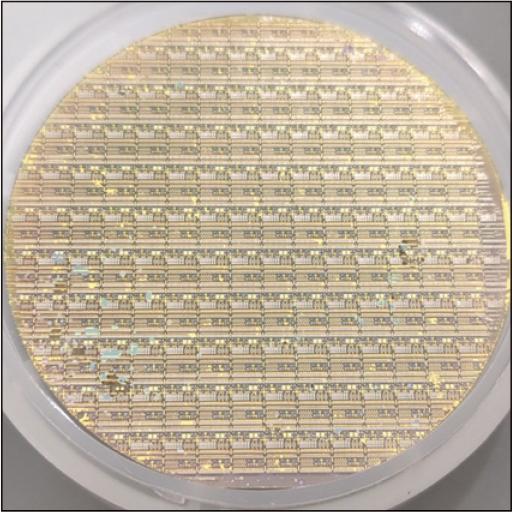
With the increasing amount of information handled in high-frequency devices used in wireless communications for base stations, heat generation has become an issue, and there is a demand for device structures with improved heat dissipation. Using diamond, which has high thermal conductivity, as an effective heat sink material has been considered a promising approach. However, with conventional bonding methods, the thermal resistance between the device and the heat sink, which is on the order of several micrometers, is no longer negligible. As a more efficient heat dissipation method, we have succeeded in fabricating a large-diameter GaN-on-polycrystalline diamond structure with a 2-inch diameter, in which a GaN semiconductor device and a diamond heat sink are directly bonded without adhesives or soldering materials. Additionally, we have fabricated a prototype GaN-HEMT device and confirmed its superior heat dissipation characteristics.
3.7 MB
3.7 MB
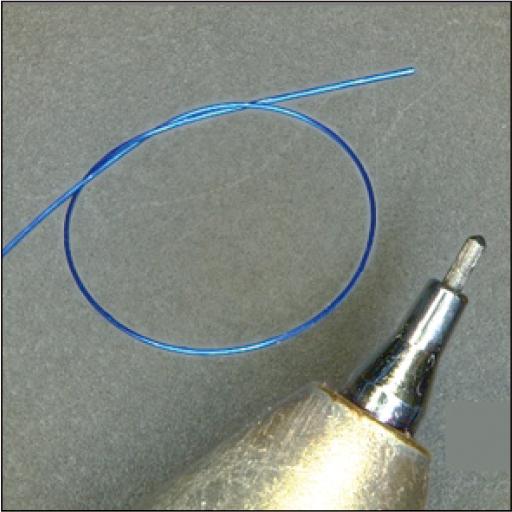
This paper reports on a small-diameter piezoelectric sensing wire currently in development as a product capable of physical micro-detection, with anticipated applications in fields such as industrial robotics, medical and nursing care, and automotive. This development focuses on the need to detect small displacements and contact forces that are difficult to detect with conventional image recognition or capacitive sensors. It is a wire-shaped sensor featuring flexibility and the ability to conform to complex deformations. Leveraging our wire manufacturing technology for producing metal-resin composite wires, we have achieved a filament as thin as a sewing thread. This enables easy integration into existing structures like equipment, clothing, and mechanical parts, while delivering higher signal output and faster response times compared to existing products. The effectiveness for tactile sensing and structural health monitoring is currently being recognized, and this progress also facilitates expansion into high-density sensor networks and smart material technologies, which represent anticipated future societal needs.
5 MB
5 MB
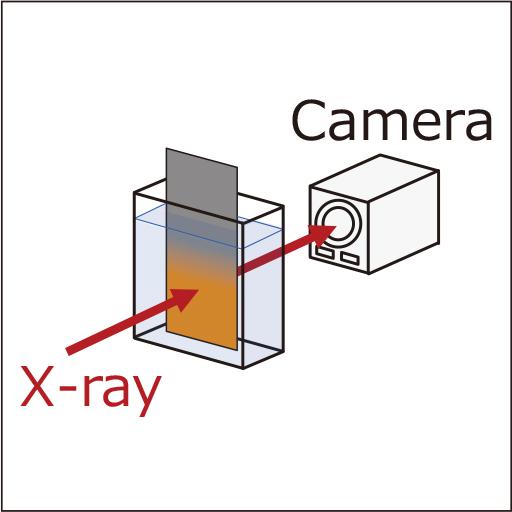
In recent years, manufacturing of high-performance electronic devices requires more and more precise control over the thickness and uniformity of fine circuits. Though electroless copper plating is indispensable to form circuits on insulating substrates, the plating involves such complicated chemical reactions that the process conditions can be optimized only empirically. In this study, we developed in situ measurement techniques utilizing synchrotron radiation to quantitatively and spatially visualize the copper plating behaviors. X-ray absorption fine structure (XAFS) technique enabled us to monitor real-time the copper valence changes in the reduction of Cu2+ ions in the solution to metallic copper. We also developed X-ray imaging techniques to visualize in-plane deposition thickness, which clarified that bubble adhesion locally inhibits the deposition. These techniques are expected to be very useful to understand the plating process more deeply and to advance the manufacturing technology in the future.
1.9 MB
1.9 MB
To achieve a decarbonized society while addressing the instability of renewable energy sources, it is essential to adjust power supply and demand using storage batteries and demand response (DR). For general households, an energy storage system enables surplus solar power to be used at night and early in the morning. It also provides households with essential power supply in the case of emergency outages caused by disasters or other troubles. To promote the adoption of energy storage systems, our company has been selling the POWER DEPO series of residential energy storage systems, known for their ease of installation, since 2012. We have just released the new product named POWER DEPO R (PDR), which inherits the high specifications and the all-in-one concept that have been highly regarded in our previous products, while solving the challenges related to shipping and installation space.
1 MB
Currently, data center (DC) construction is progressing to accommodate the rapid increase in traffic due to the emergence of generative AI and machine learning. By interconnecting multiple DCs, data can be shared, and services such as backup and redundancy can be provided. To realize these services, it is necessary to install optical cables in outdoor underground ducts that connect distant DCs, and there is an expectation that many fibers can be efficiently deployed within these space-limited ducts in a short period of time. Against this background, there is a growing demand for lightweight microduct cables that have a small outer diameter and accommodate multiple fibers, which enable quick installation by using blown air. Sumitomo Electric Industries, Ltd. has developed a smaller Freeform Ribbon that implements the 190 μm fiber, and by applying this to an 864-fiber microduct cable, we have achieved over a 20% reduction in both cable diameter and mass.
0.6 MB
Ultra-thin high-precision cutters made of cemented carbide (cemented carbide cutting blades) possess high hardness and excellent wear and corrosion resistance. They are used for precision cutting of pre-fired ceramic materials, films, foils, fibers, and similar items. A.L.M.T. Corp. has established an integrated production system covering the processes from carbide manufacturing to final tip shaping. We manufacture ultra-thin cutting blades down to a minimum thickness of 0.05 mm to meet customer requirements. We also offer specification design (tip angle, tip shape, etc.) tailored to the cutting material and perform cutting evaluations. We propose and provide the optimal cutting blade for each application, considering factors like sharpness and durability. This article introduces the features and cutting performance of these cemented carbide cutting blades.
1.3 MB
In recent years, the shift toward electric vehicles and the accelerated electrification of automotive equipment have led to the expanding adoption of by-wire control, which operates control targets using electrical signals. However, by-wire control faces the challenge of becoming uncontrollable when the vehicle power source (such as a lead-acid battery) malfunctions. Sumitomo Wiring Systems, Ltd., a member of the Sumitomo Electric Group, developed an integrated backup power supply (GEN3) enabling multiple by-wire controls to continue functioning during vehicle power supply failures. Adopted in the Prius launched in 2023, it is being progressively deployed. This time, mass production has begun for the GEN4 integrated backup power supply, which maintains the energy capacity of GEN3 while achieving a smaller size and lighter weight. It has been adopted for the Toyota Aqua launched in 2025. Compared to the previous model, the new product achieves a volume reduction of approximately 30% and a weight reduction of approximately 50%, contributing to improved vehicle mounting flexibility and resource conservation.
1.1 MB
Copyright of the paper contained in SUMITOMO ELECTRIC TECHNICAL REVIEW belongs to Sumitomo Electric Industries, Ltd.
The paper is to be used solely for private, reference purpose, and reproduction without the permission of the copyright holder is prohibited.
Meet the Authors of the SUMITOMO ELECTRIC TECHNICAL REVIEW
We at Sumitomo Electric Group are driven to pursue technological innovations to create value for a better world.
Learn more