Featured Stories
A New Option for eVTOL Charging Infrastructure - The Role of Vanadium Redox Flow Batteries
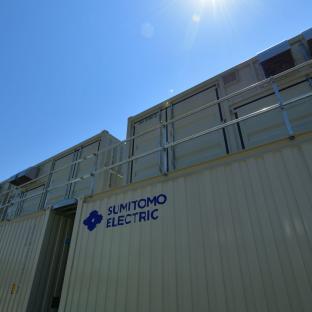
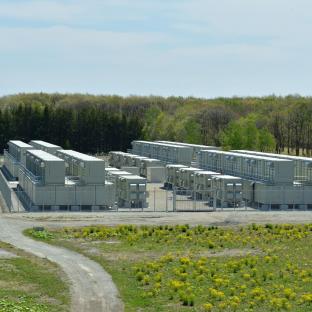
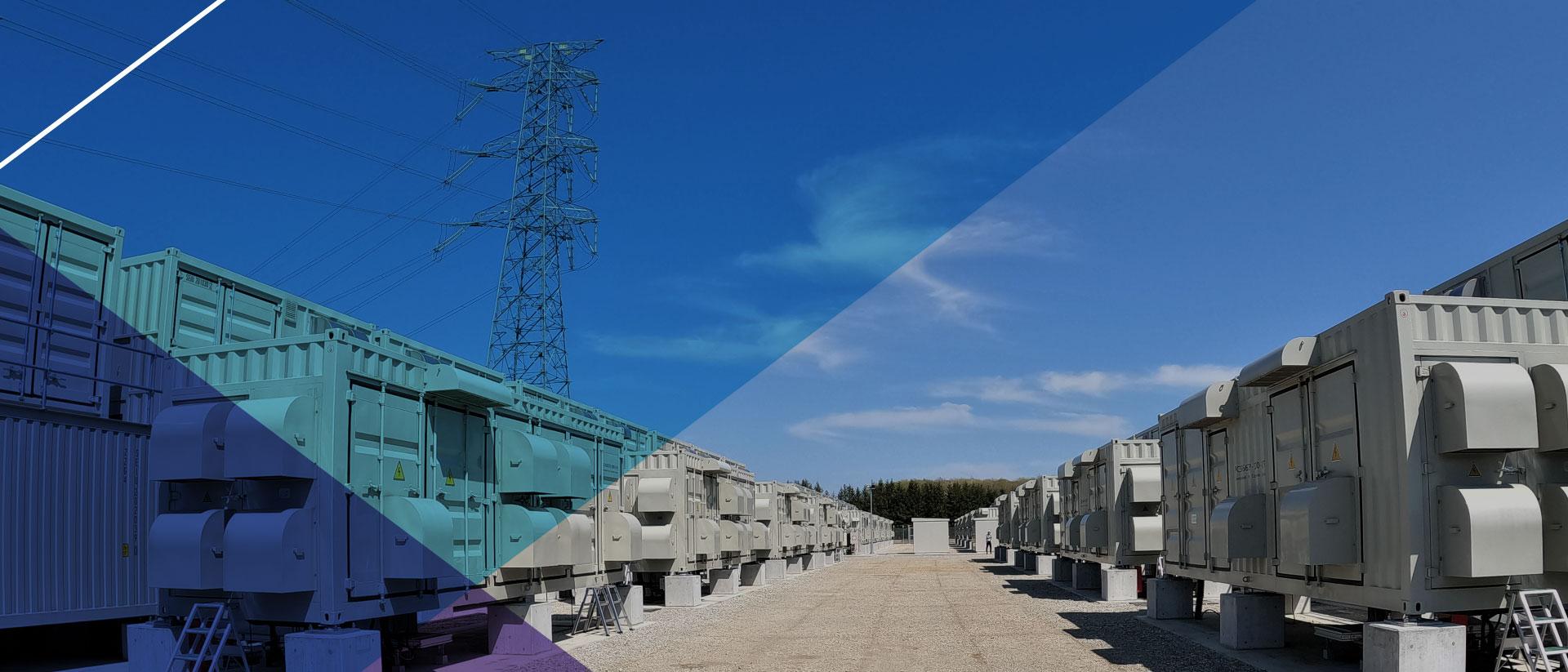
The commercialization of eVTOLs requires not only advanced aircraft but also robust charging infrastructure. Lithium-ion batteries alone cannot fully address the unique challenges of frequent, high-power charging. Vanadium Redox Flow Batteries (VRFBs), with their long life, high cycle durability, safety, and environmental benefits, are emerging as a strong alternative for supporting eVTOL ground infrastructure.

The race to commercialize electric vertical take-off and landing (eVTOL) aircraft is accelerating worldwide. Leading developers are making progress toward certification and deployment. But beyond the aircraft themselves, the real key to scaling the industry lies in ground charging infrastructure. Recent NREL and FAA studies highlight that fast charging for eVTOLs can demand several hundred kilowatts to over a megawatt in a short time, creating severe challenges for airport electrical systems.
◇ Challenges of eVTOL Charging
- Peak power demand: Each charge may require hundreds of kW to MW levels.
- High flight turnaround: Multiple high-power charging events per day → high-frequency cycling is inevitable.
- Grid constraints and costs: Grid upgrades require huge capital investment and long lead times.
- Limitations of Li-ion batteries: Deep and frequent cycling accelerates degradation, leading to costly replacements.
In short, eVTOL charging must address both the scale and intensity of energy demand. Without innovative solutions, infrastructure costs and battery degradation risks will remain significant barriers to widespread adoption.
◇ Key Features of VRFBs
- Store and release energy using circulating liquid electrolytes, with virtually no degradation from cycling.
- Long lifespan of 30 years in operation.
- Safety: Aqueous electrolytes eliminate the risk of fire or thermal runaway.
- Scalable capacity: Simply enlarge tanks to add MWh-scale energy.
- Environmentally friendly: Electrolyte can be reused, minimizing disposal costs and lifecycle impact.
Taken together, these features position VRFBs as a reliable, low-risk, and sustainable alternative to lithium-ion for stationary applications where long-term performance is critical.
◇ Why VRFBs Fit eVTOL infrastructure
- Tolerant of frequent charge/discharge cycles, supporting high-turnaround flight schedules.
- They can also be deployed in areas with limited grid capacity, such as urban airports and vertiports.
- Reduce demand charges and stabilize operating costs.
- Pair well with renewables, enabling sustainable operations.
By matching the operational profile of eVTOL charging, VRFBs provide not just an alternative to lithium-ion, but a strategic enabler of scalable and resilient infrastructure.
◇ Possible Challenges of VRFBs
- Lower energy density: VRFBs store less energy per unit volume/weight compared to lithium-ion, which limits their use in mobility applications.
- Higher upfront cost: System-level costs remain higher than lithium-ion, although due to its longevity, lifetime economics can be favorable.
- Efficiency trade-offs: Round-trip efficiency is typically 70–80%, lower than lithium-ion’s 85–95%.
- Market maturity: The ecosystem is less developed than lithium-ion, with fewer suppliers and case studies available.
If you would like to explore a deeper comparison of lithium-ion and vanadium redox flow batteries, please see our related feature story: Understanding Lithium-Ion and Vanadium Redox Flow.
◇ Conclusion
The path to eVTOL commercialization requires both advanced aircraft and resilient ground charging infrastructure. Lithium-ion batteries and grid upgrades alone cannot resolve every challenge. With their durability, safety, scalability, and environmental advantages, VRFBs are positioned to become a foundational technology for next-generation eVTOL charging stations.
References:
- National Renewable Energy Laboratory (NREL). (2024, January). Federal Aviation Administration Vertiport Electrical Infrastructure Study. NREL/TP-5R00-86245.
Retrieved from https://docs.nrel.gov/docs/fy24osti/86245.pdf
- Rane, S., et al. (2024, March). Overview of Potential Hazards in Electric Aircraft Charging Infrastructure. NREL/TP-5R00-83429.
Retrieved from https://docs.nrel.gov/docs/fy24osti/83429.pdf
Follow us on LinkedIn!
If you enjoyed this Feature Story, be sure to follow Sumitomo Electric U.S.A on LinkedIn. We share updates there whenever new stories are published. (Note: Sumitomo Electric Group also has a global LinkedIn account for corporate updates.)