25 March 2026
Sumitomo Electric Successfully Develops "IRRAX™BM," UL Standard 125˚C Heat-Resistant Biomass Electrical Wire Utilizing Discarded Scallop Shells
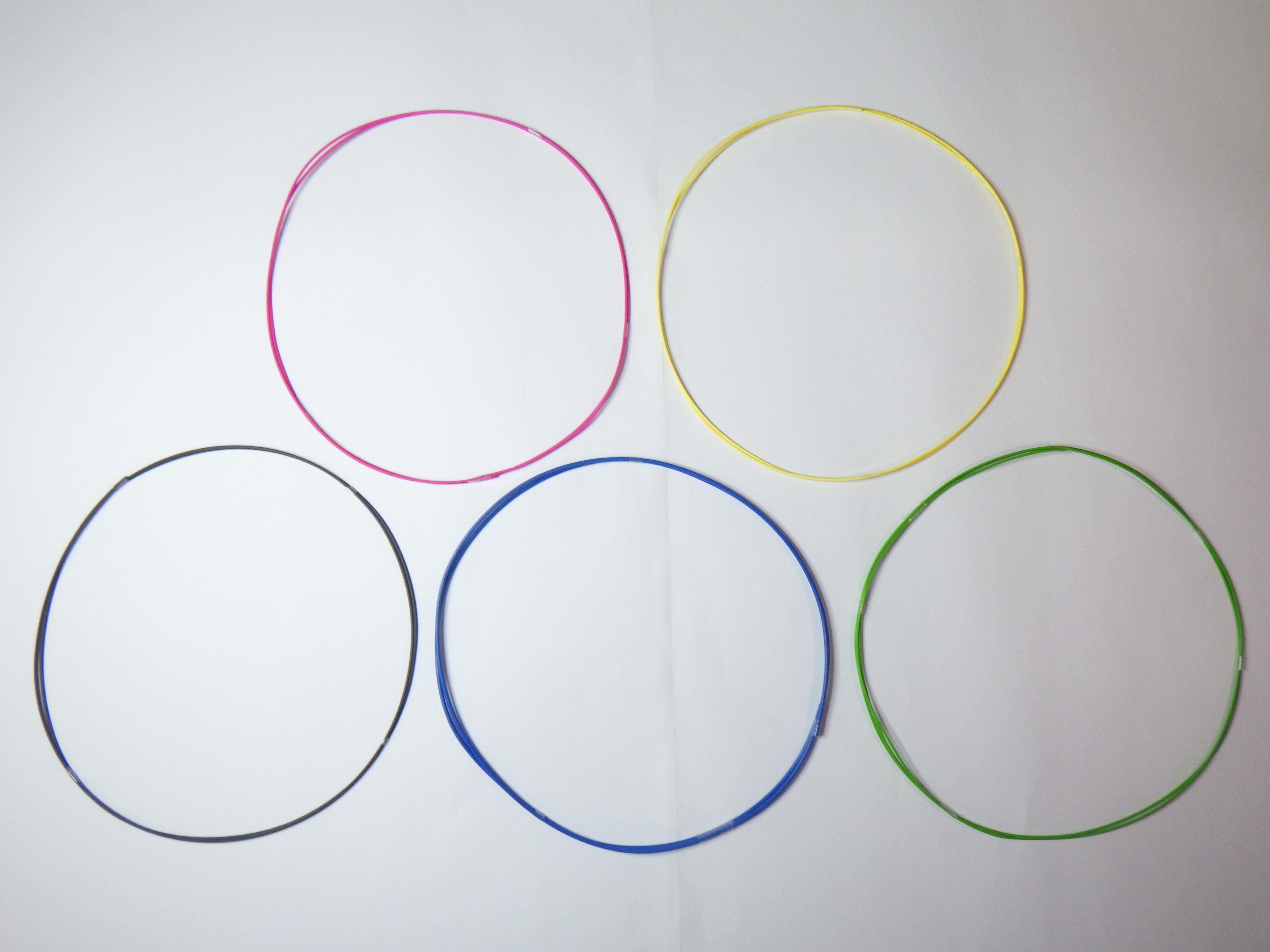
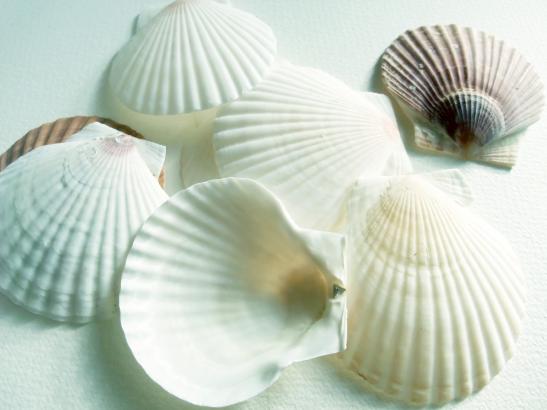
Sumitomo Electric Industries, Ltd. has developed "IRRAX™BM," a biomass wire made from raw materials derived from discarded scallop shells, which meets the UL Standard*1 for heat resistance up to 125˚C.
To achieve carbon neutrality by 2050, reducing CO₂ emissions across society is an urgent priority. Traditionally, wire insulation materials have primarily been made from petroleum-derived raw materials, and CO₂ emissions during disposal and incineration have been a major concern. To address these challenges, we have focused on biomass raw materials, which absorb CO₂ during their growth and do not contribute to an increase in atmospheric CO₂ levels when burned. We have been developing this product with the aim of balancing reduced environmental impact and ensuring reliability.
The newly developed biomass electrical wire, "IRRAX™BM," meets the UL Standard for heat resistance up to 125°C. Our product lineup also includes biomass cables that comply with the UL Standard for heat resistance up to 80°C.
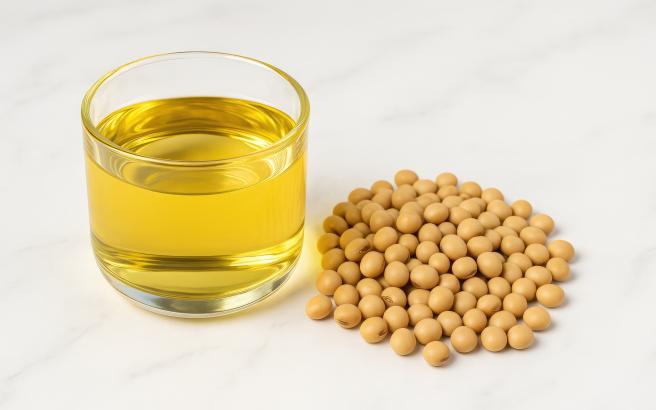
In the UL Standard 125°C heat-resistant electrical wire, crushed scallop shells are blended as a filler into the cross-linked polyethylene sheath. In contrast, the UL Standard 80°C heat-resistant electrical wire uses vegetable oil-derived materials in the polyvinyl chloride sheath. For both products, our proprietary material formulation and electron beam cross-linking technologies enable us to provide new solutions that reduce environmental impact while maintaining electrical, mechanical, and flame-retardant properties equivalent to those of conventional products.
In order to achieve carbon neutrality by 2050, we will promote the development and wider application of environmentally friendly products and strive for a “green planet and a safe and comfortable life.”

Features:
1. Achieves a biomass content*2 of 10% or more (125°C grade) and 20% or more (80°C grade). By incorporating biomass materials such as scallop shells and vegetable oil into part of the sheath, CO₂ emissions throughout the product lifecycle are reduced.
2. Maintains performance equivalent to conventional products.
Thanks to proprietary material formulation technology and electron beam cross-linking technology, equivalent performance is achieved, allowing for easy replacement of conventional products.
3. Biomass Mark*3 certified: The UL Standard 125°C heat-resistant electrical wire has been certified with the Biomass Mark by the Japan Organic Recycling Association.
Product Name: "IRRAX™BM"
Certification No.: 250126
Product Lineup:
| UL Standard 125°C heat-resistant electrical wire | UL Standard 80°C heat-resistant electrical wire | |
|---|---|---|
| Insulation materials | Cross-linked polyethylene | Polyvinyl chloride |
| Biomass raw materials | Scallop shells | Vegetable oil |
| Biomass content | 10wt% or more | 20wt% or more |
Complies with the UL Standard 758 (wire for internal wiring in equipment).
Also complies with the UL Standards regarding mechanical properties and flame retardant properties (VW-1 flammability test*4), which tend to deteriorate when biomass materials are used.
*1 UL Standard: A standard established by the U.S. certification organization "Underwriters Laboratories Inc.," which is considered to be one of the most influential safety standards in the world.
*2 Biomass content: The percentage of the dry weight of the biomass used relative to the dry weight of the product.
*3 Biomass Mark: A mark certified by the Japan Organic Recycling Association, which can be displayed on products utilizing biomass.
*4 VW-1 Flammability Test: A vertical burning test under the UL Standard, which evaluates the flame resistance of electrical wires and similar products.