Nippon P.S VRFB Project
Overview
Project Overview
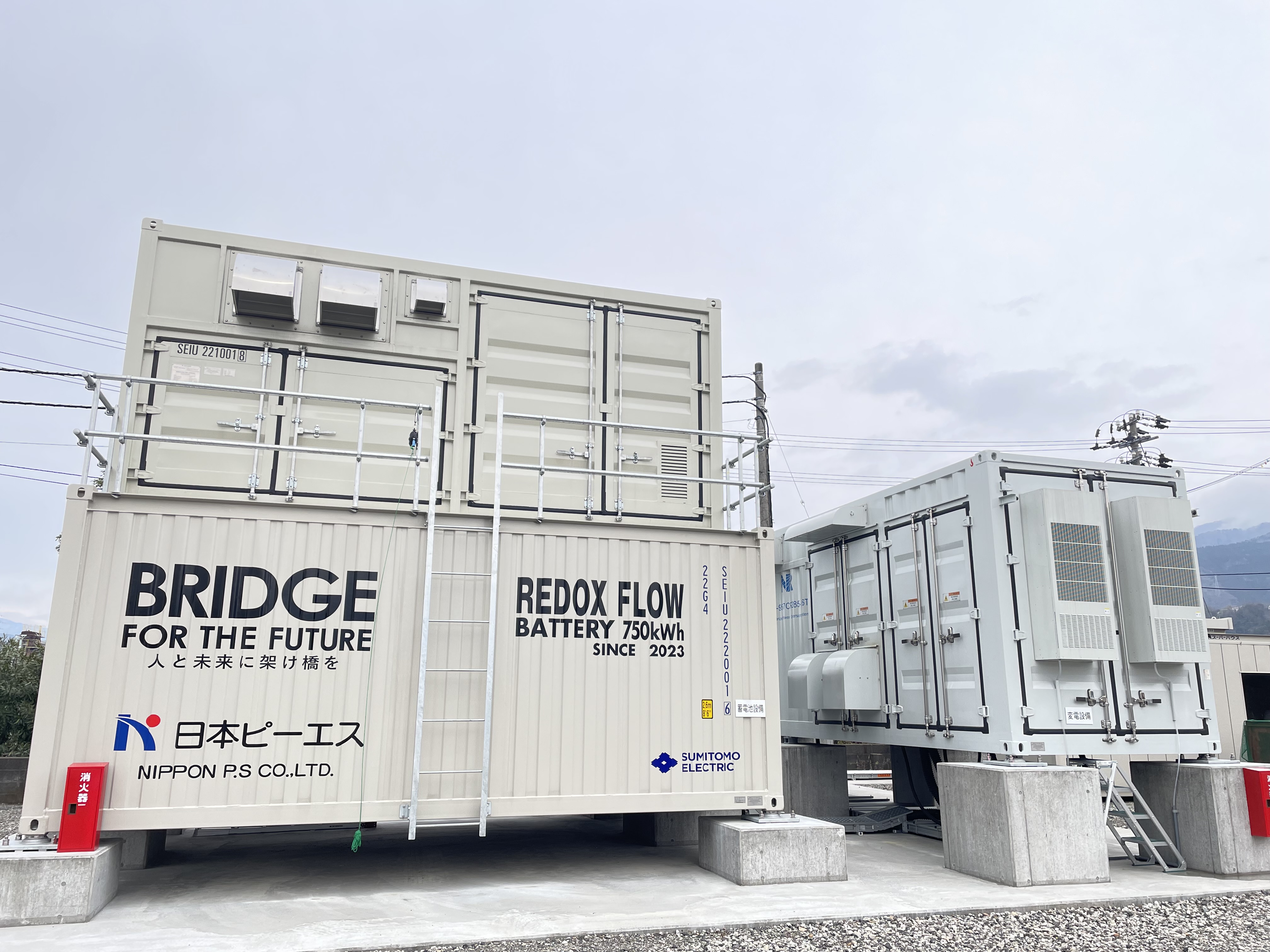
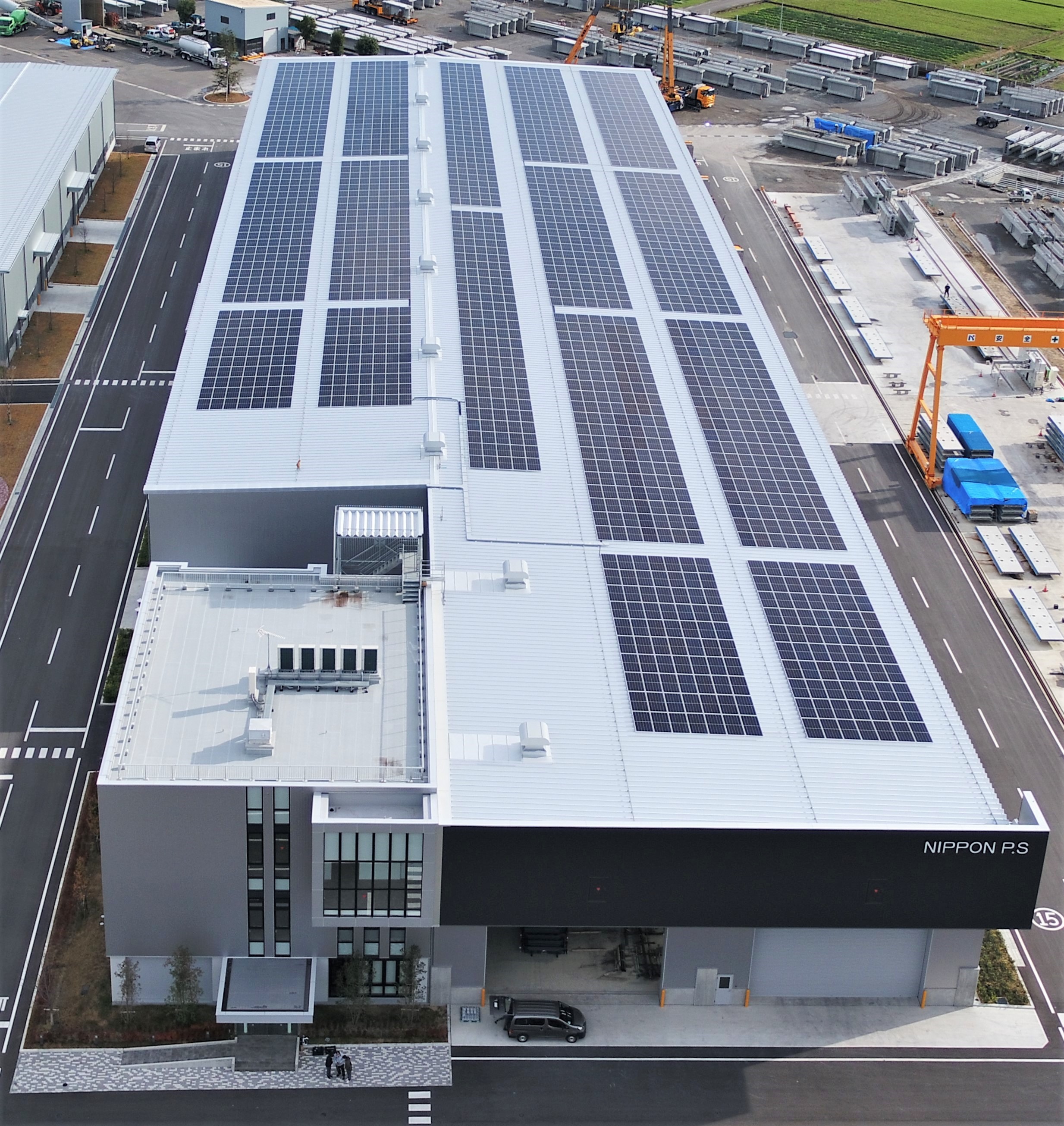
The project combines a 250 kW × 3 h (750 kWh) VRFB with a rooftop photovoltaic system rated at 931 kW (DC) / 700 kW (AC), enabling more effective use of on-site solar power.
Commissioned in January 2023, the system demonstrates how long-duration energy storage can improve operational flexibility, energy resilience, and decarbonization performance in industrial applications.
Highlights
Key Performance Highlights
67.6%
Peak Renewable Contribution
Highest monthly renewable energy ratio observed in June 2024.
42.8%
Annual Average Ratio
Average renewable contribution based on the displayed annual performance data.
250 kW / 750 kWh
VRFB System Capacity
Rated battery output and energy capacity for daily time-shifting operation.
931 kW / 700 kW
Rooftop PV Capacity
PV panel capacity (DC) and PCS output capacity (AC).
Features
Key Features
On-Site Deployment
Installed behind the meter at a manufacturing facility to support on-site renewable energy use.
Renewable Energy Time-Shifting
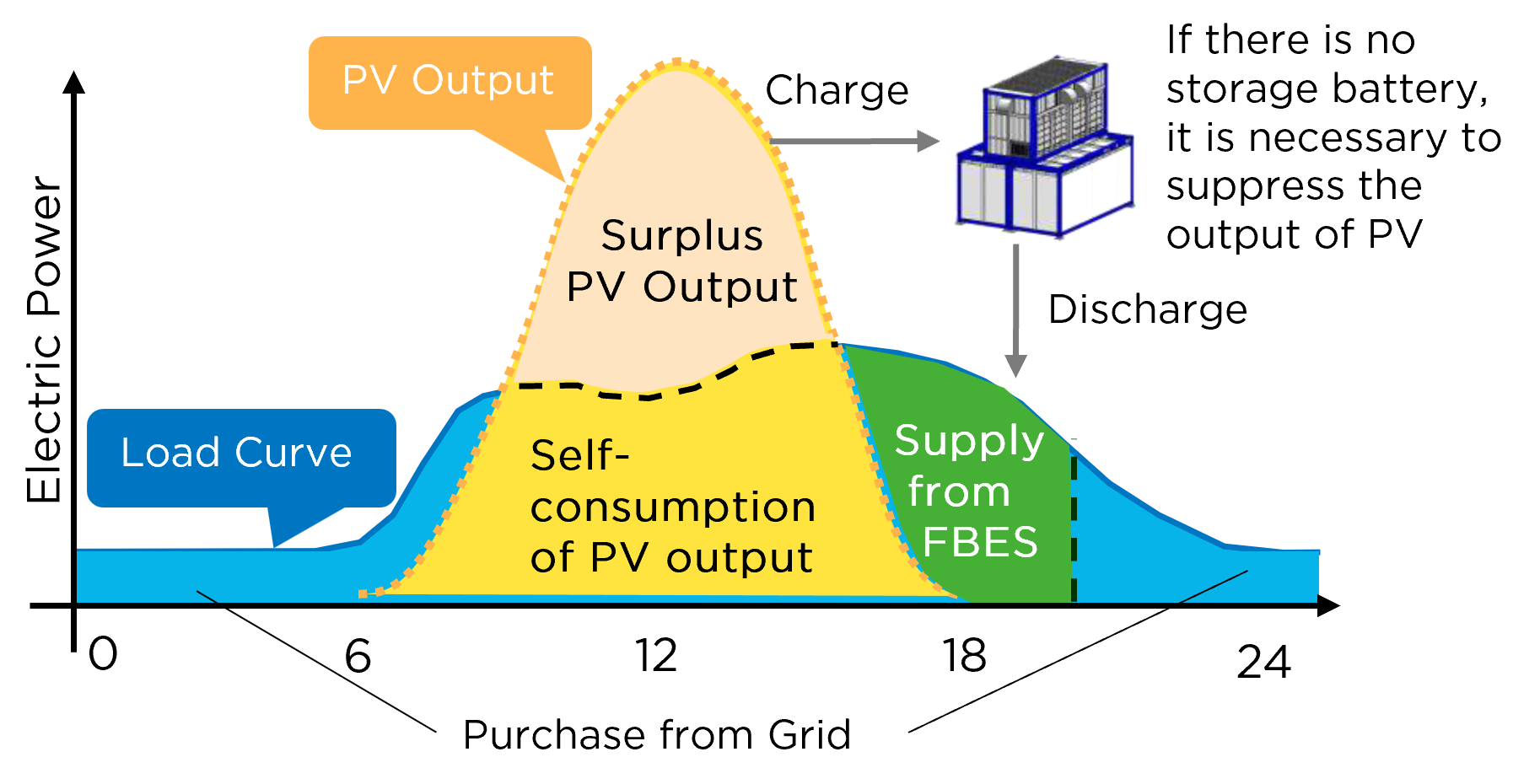
Stores daytime solar surplus and discharges during evening and nighttime demand periods.
Improved Energy Management
Enhances the balance between on-site generation and consumption through long-duration storage.
CO₂ Reduction Support
Contributes to decarbonization by increasing effective utilization of renewable electricity.
Performance
Performance Snapshot
The system supports more effective use of on-site renewable energy by charging from daytime solar surplus and discharging during evening and nighttime demand periods.Figure 1. Monthly Renewable Energy Performance
Monthly solar generation, energy consumption, and renewable energy ratio. The highest monthly renewable contribution shown in the figure is 67.6% in June 2024.
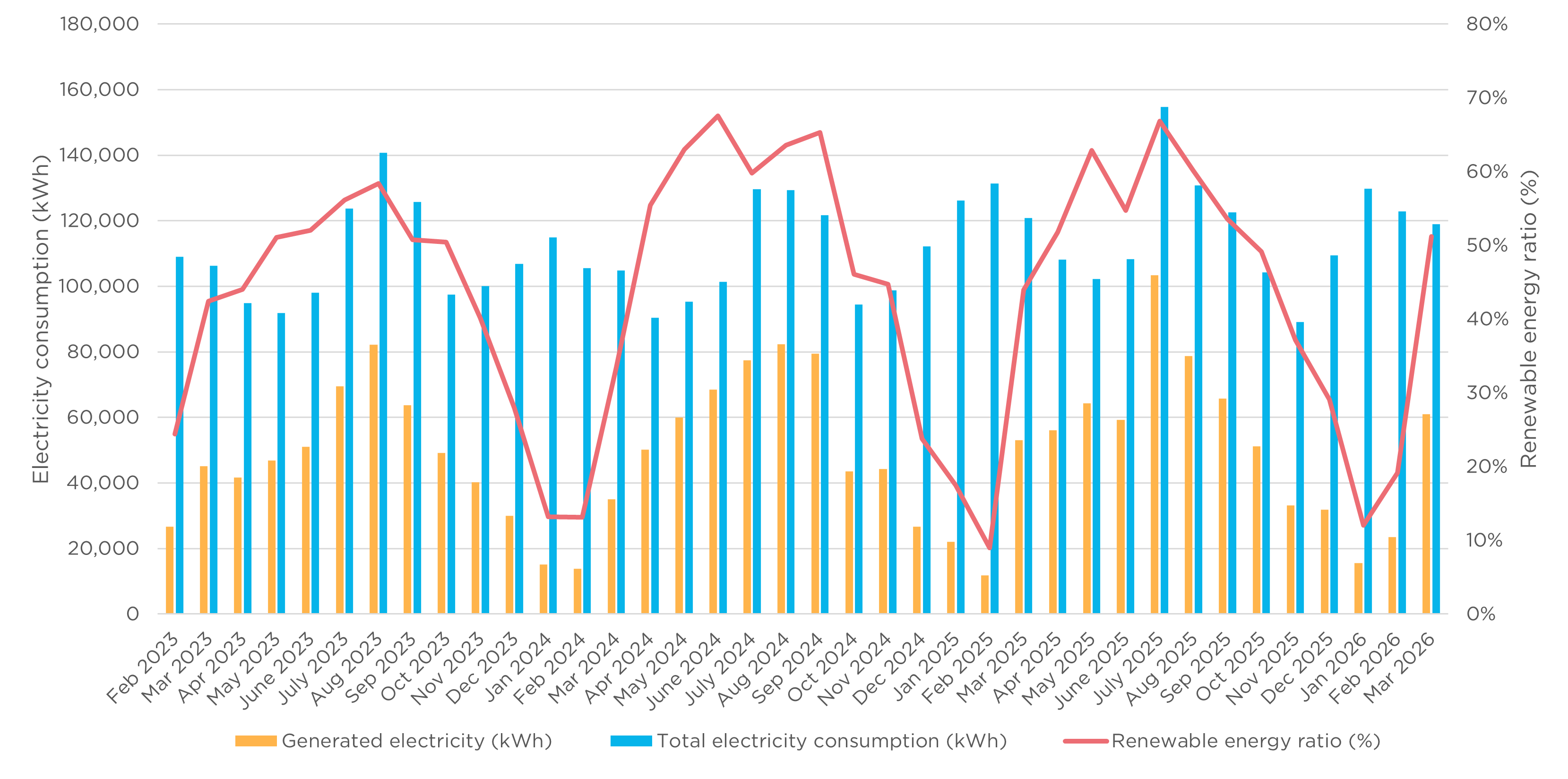
Figure 2. Daily Operating Profile
Example daily operating profile showing how the VRFB charges from daytime solar surplus and discharges during evening and nighttime demand.
Dashboard
Real-Time Monitoring Dashboard
910.7 kWh
PV Generation (Daily)
1,819.6 kWh
Consumption (Daily)
50%
Renewable Coverage
22,216 kg
Annual CO₂ Reduction
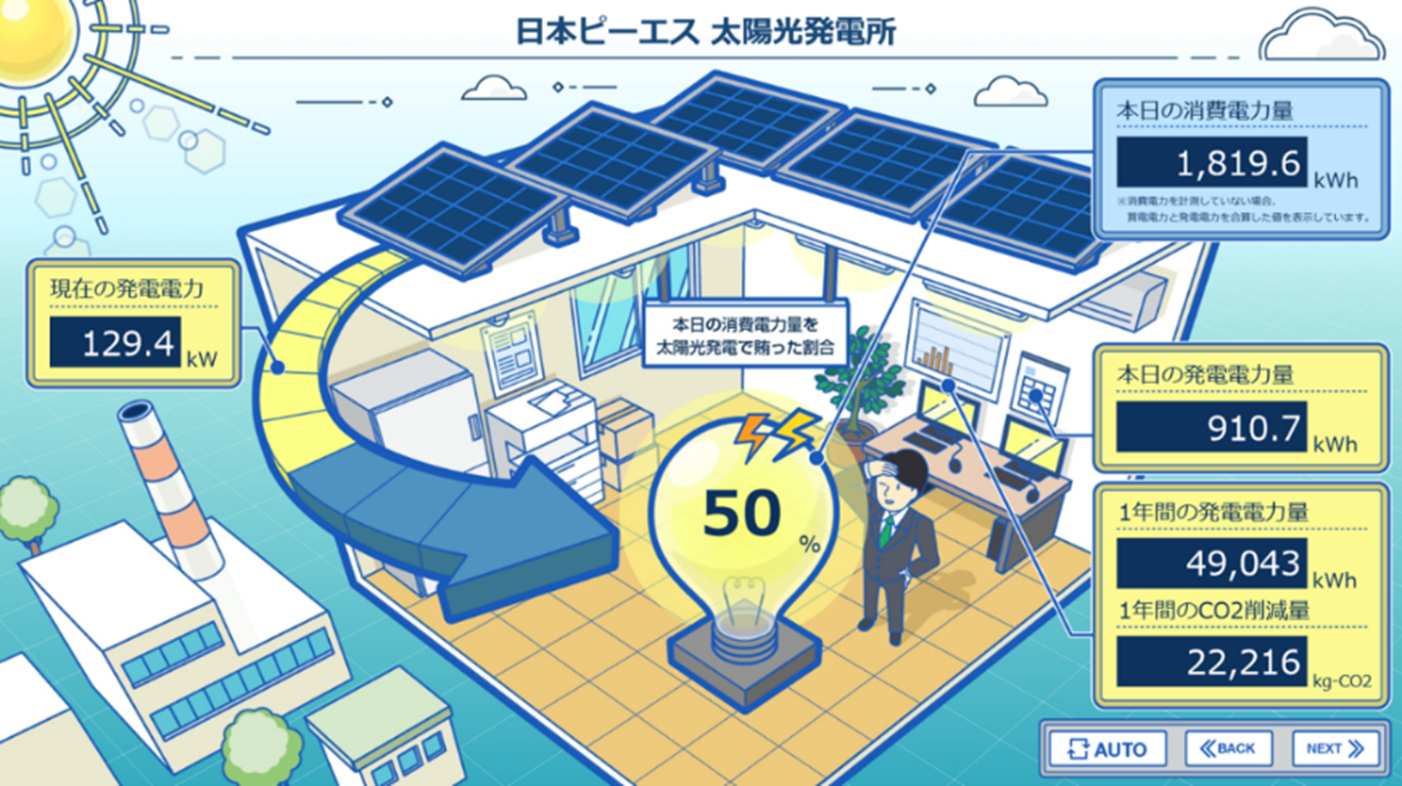 Figure 3. Real-time energy dashboard showing PV generation, consumption, and CO₂ savings.
Source: Laplace System Co., Ltd. “Mieruka Web”
Project Partner

Explore More
Interested in how VRFB technology can solve your energy challenges? Discover more case studies to see how industries worldwide are leveraging this technology for renewable energy integration and sustainability.
Explore More Case StudiesDiscover More Insights
Curious about innovative solutions for today’s energy challenges? Dive into our Feature Stories to explore how technologies like LDES and load flexibility are transforming data centers, grids, and sustainability efforts worldwide.
Explore Feature Stories